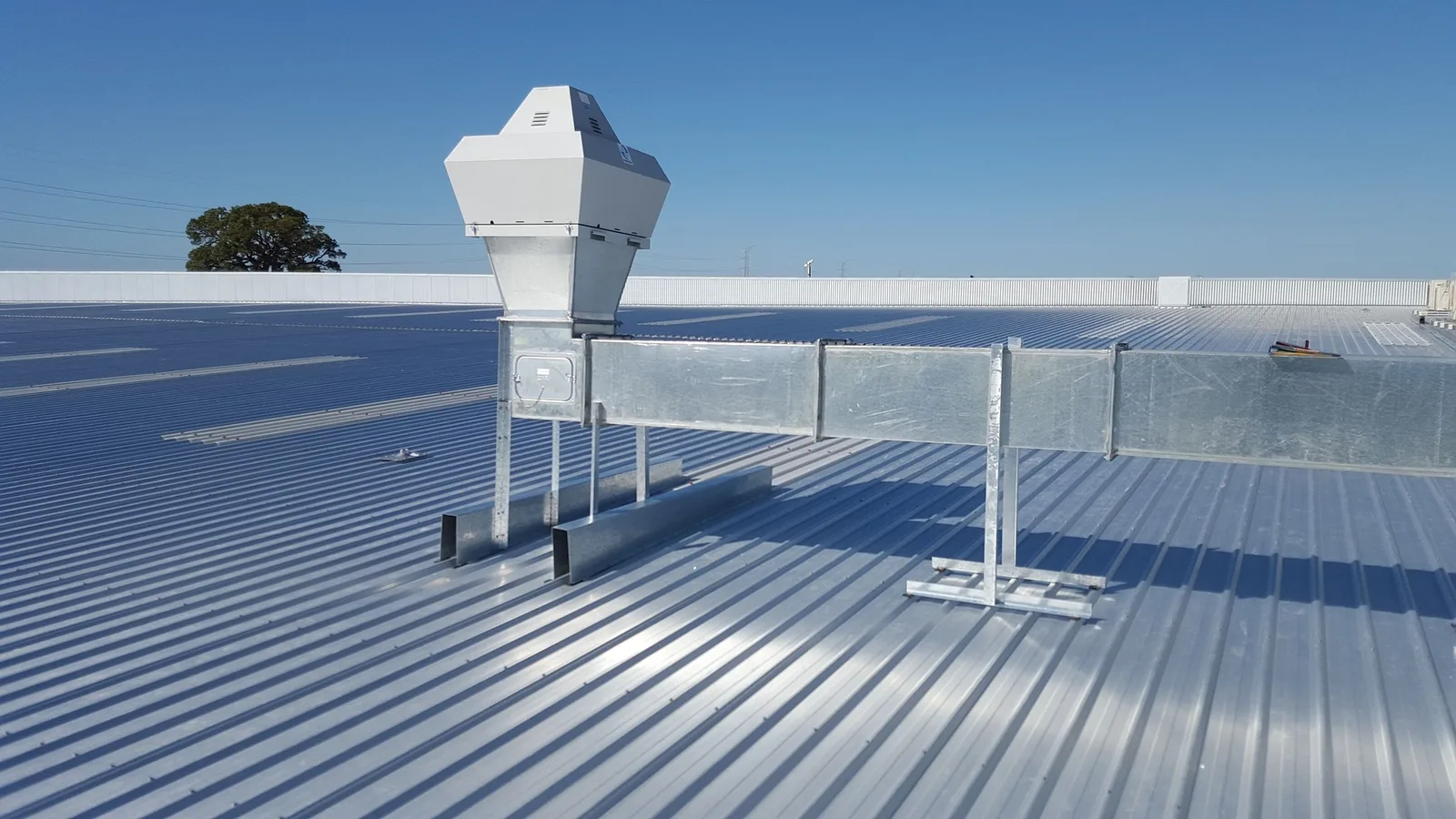
Roofing around the Port of Catoosa
Commercial roofing help around the Port of Catoosa. Consider roof leaks, renewal and restoration alongside equipment, access and the work happening inside the building.
A working roof above a working property
Industrial setting: The Tulsa Ports industry directory describes the Port of Catoosa as a 2,000-acre industrial park with manufacturing, distribution and agricultural businesses (checked September 30, 2026). That is a useful setting for roof planning: buildings support ongoing work, movement of goods and access to equipment.
For an individual property, the starting point is the roof assembly and the area affected. A leak over stored goods may come from a membrane seam, equipment flashing or another connection some distance from the interior mark. Metal panels and coated roofs require different repair methods from a single-ply membrane.
Catoosa Roofing Co offers free inspections for commercial roofing concerns in the area. We discuss the observed condition with the building’s access and operating needs.
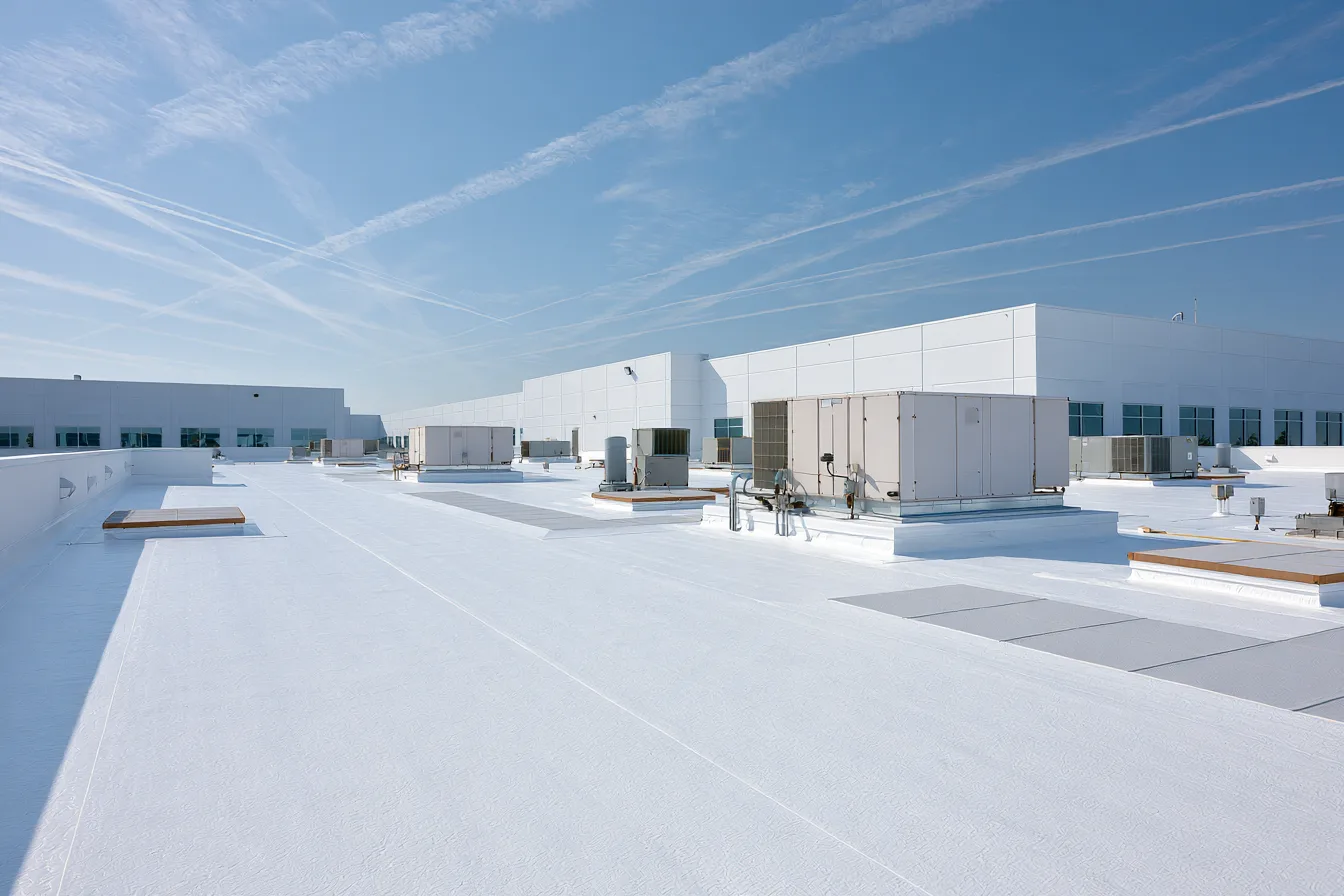
Equipment, drains and large roof surfaces
A larger roof is a collection of connected surfaces and interruptions. The inspection needs to follow the actual system rather than assume the open field is the only source of a leak.
- Equipment curbs and penetrations
Units, ducts and pipes interrupt the roof surface and create flashings that must remain connected as the assembly moves. Work on equipment can also disturb those details. The scope should separate roofing repairs from any equipment work that needs another trade.
- Drains, scuppers and low areas
The roof needs a clear path to its outlets. Debris, a failed drain connection and a low area caused by the assembly are different problems. The repair should address the cause rather than simply coat the area where water remains.
- Seams, fasteners and the support below
Membrane welds, metal-panel fasteners and existing coating bonds need system-specific evaluation. Wet insulation or a deteriorated deck can spread the required work beyond a visible opening and affect what roofing can remain.
Repair and renewal for industrial roof systems
Coordinate roof work with the site
A roof project has to fit the site as well as the roof. Delivery and removal routes, occupied areas and access to rooftop equipment should be discussed before the work sequence is set.
The port’s industrial setting makes these practical conversations relevant, but their details come from the particular building. The building’s delivery schedule, access rules and equipment needs shape that plan.
- Keep access purposeful
Identify roof entry, material staging and routes that need to stay available. A loading area used for normal operations may also be the easiest roofing delivery point, so the timing and space need coordination.
- Connect the roofing and equipment work
Equipment service, curb changes or new penetrations can affect the finished roof. Coordinating those tasks helps avoid reopening new roofing or leaving an incompatible temporary detail behind.
Port of Catoosa roofing FAQs
Can a leak be investigated while the building is operating?
Access can be discussed around occupied use. The location of the leak, roof condition, equipment and interior activity determine how the investigation can be performed safely and whether any area needs to be kept clear.
Is a coating always the least disruptive choice?
A suitable coating project may retain much of the existing roof, but preparation and repairs still take work. Wet layers, a failing bond or poor drainage can make restoration unsuitable. The least removal is not always the complete repair.
Do you need to know the roof material before I call?
No. Describe the building and the concern, including where water appears and any access rules. The existing system can be identified during the roofing discussion and inspection.
Can roofing work be coordinated with equipment servicing?
Equipment servicing can affect curbs, flashings and roof access. Identifying the related tasks before the roof work begins helps the appropriate trades agree on the sequence and protect finished details.
Plan the roof work around the actual site.
Tell us the property location and what brought you here. Start with a free roof inspection and a conversation about the work.